RV Connex and depa demonstrate Thai-engineered drone and command technology at DronTech Asia 2026
11 November 2026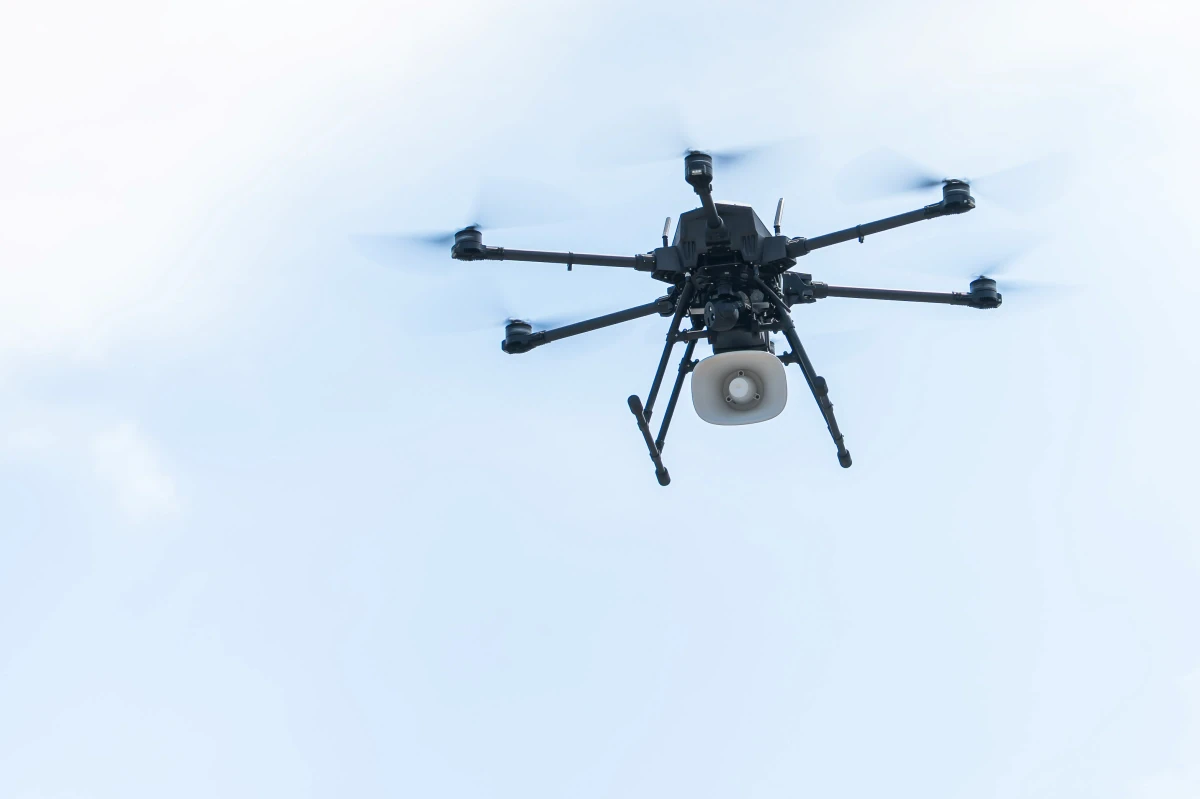
NONTHABURI, 11 November 2026 — An intruder starting a fire inside a factory at night. Survivors cut off by floodwater. Firefighting equipment that has to reach a hillside no truck can climb. Three very different emergencies, answered at DronTech Asia 2026 by the same pair of aircraft — reconfigured between missions rather than replaced.
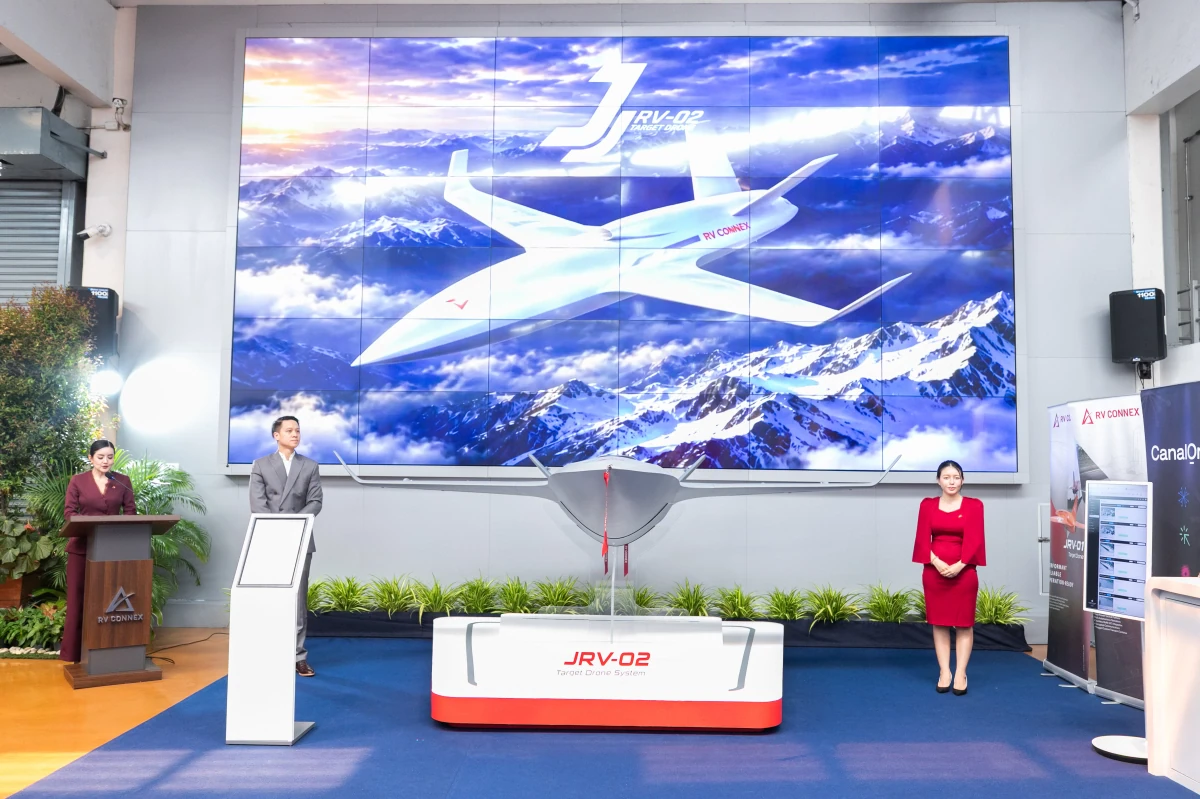
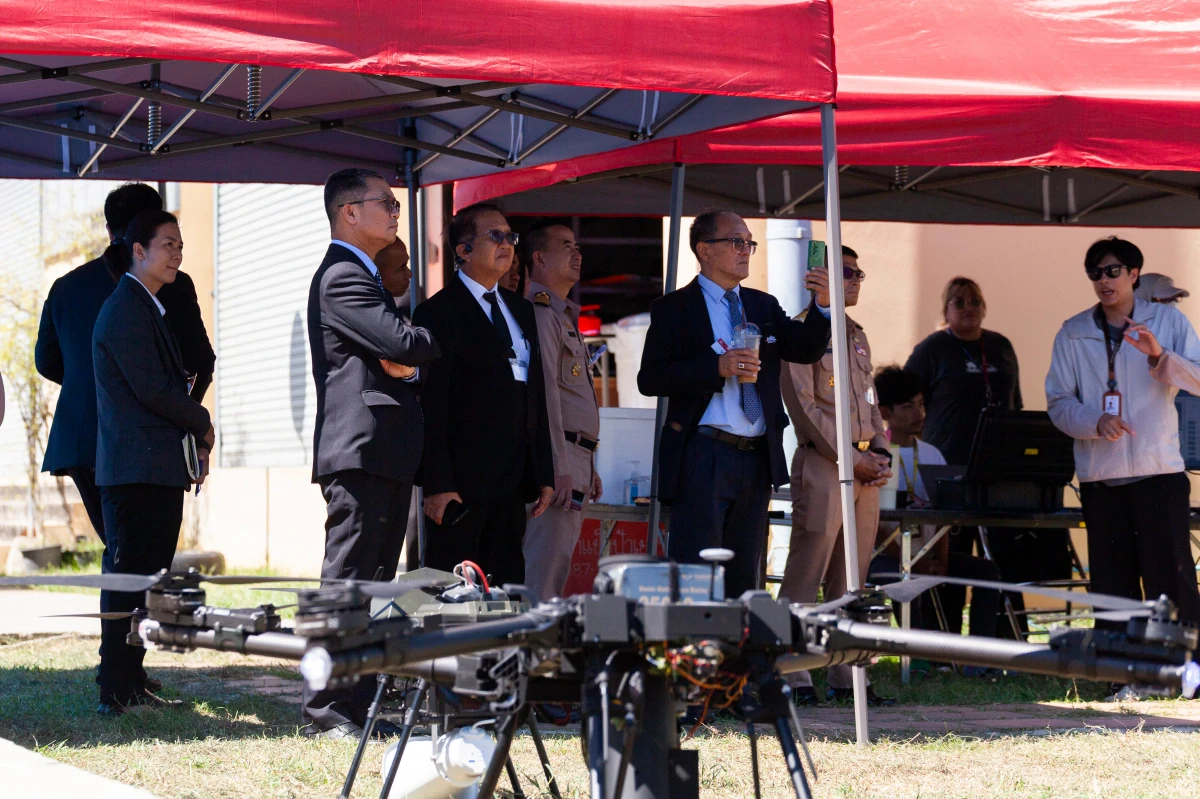
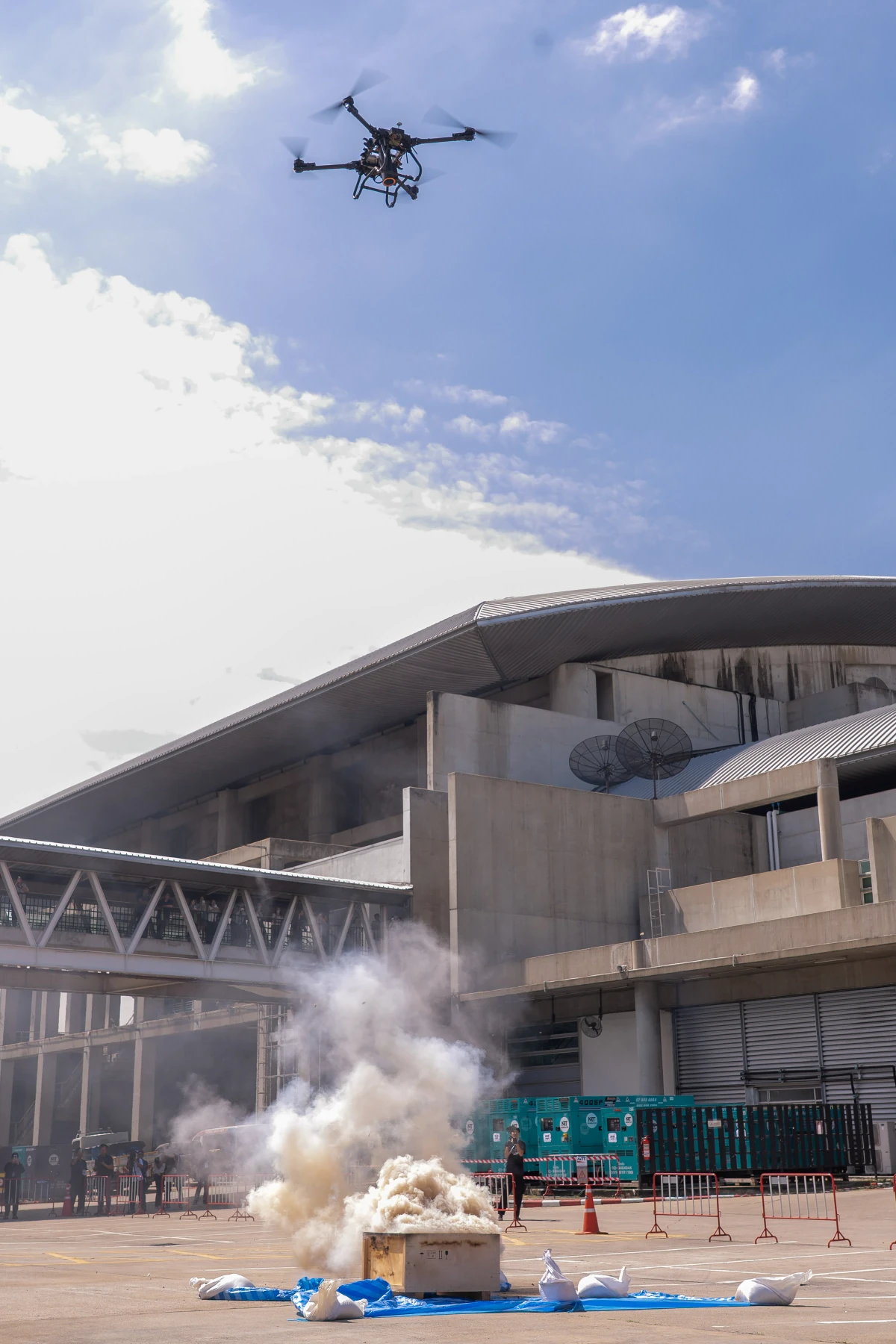
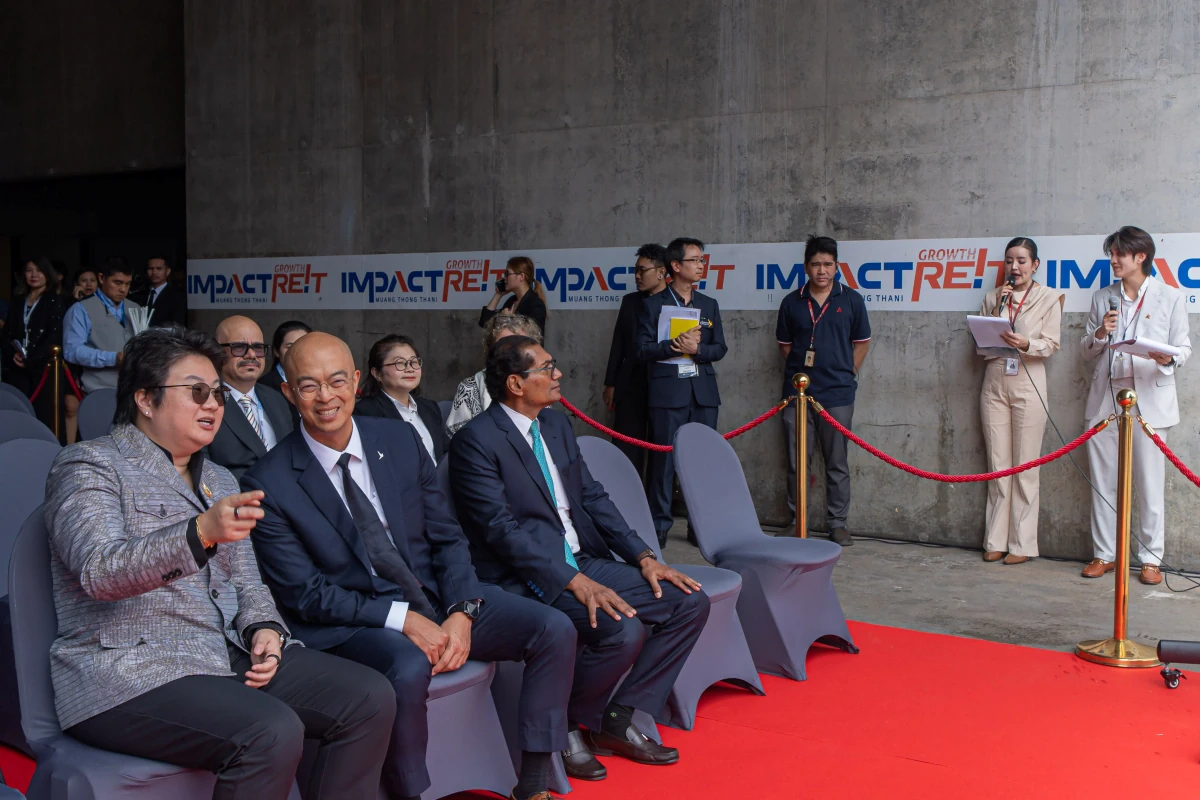
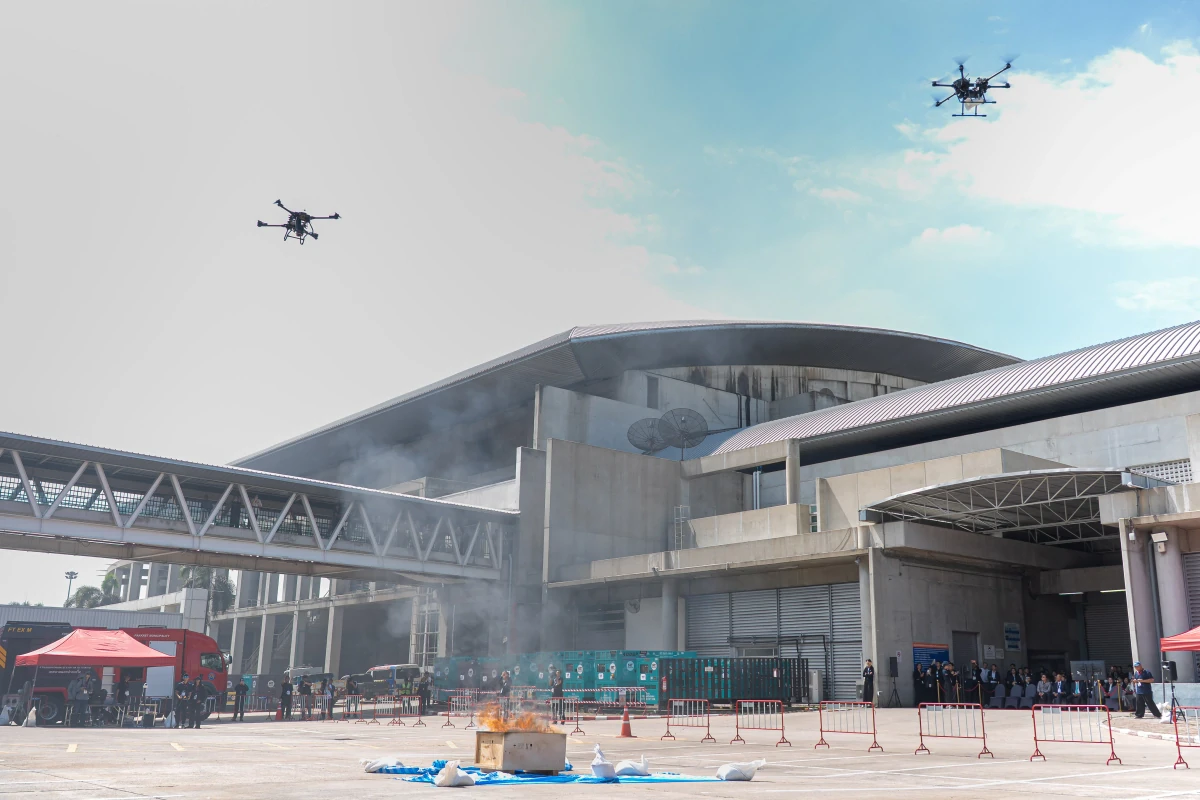
R V Connex Co., Ltd., together with the Digital Economy Promotion Agency (depa), staged the demonstration in the outdoor activity area behind Hall 5 at IMPACT Exhibition and Convention Centre, Muang Thong Thani, showing how drone technology and an Integrated Operational Center (IOC) built by Thai engineers can be applied to security, search and rescue, firefighting and disaster response.
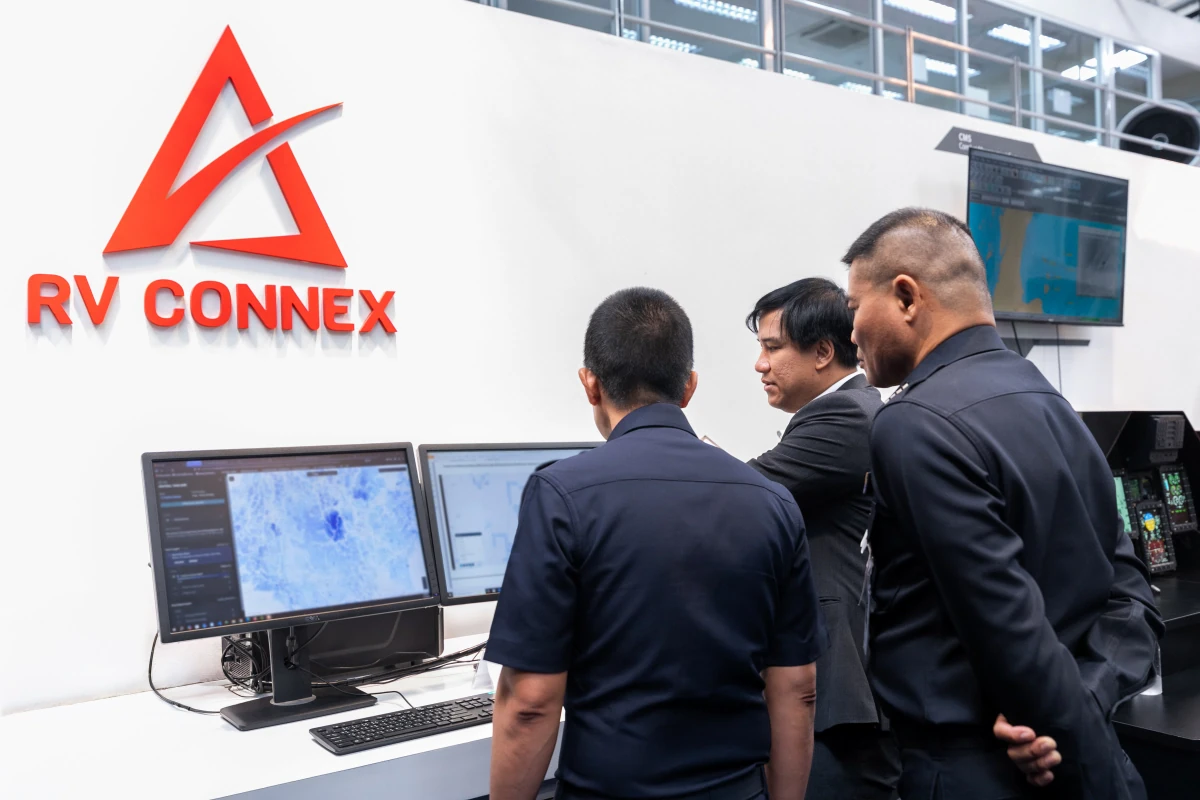
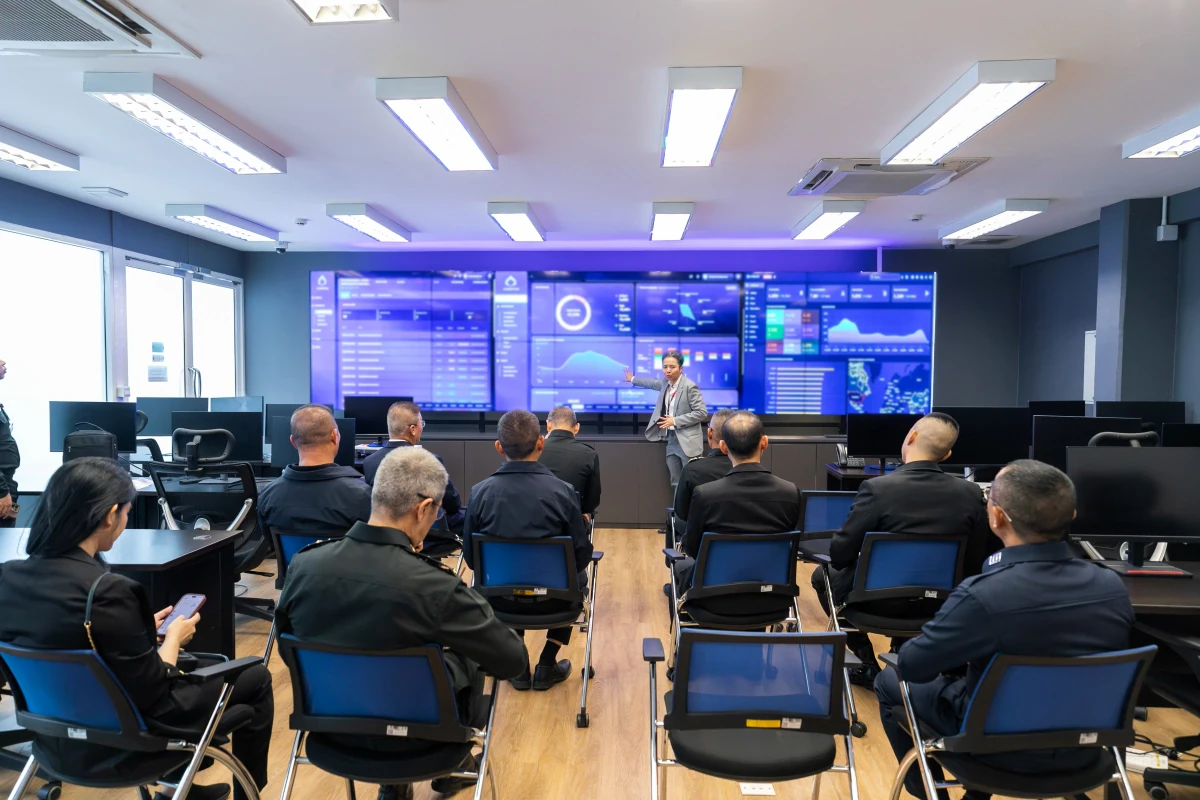
The aircraft were not the point of the demonstration. The IOC was. Developed in-house by RV Connex, it draws CCTV feeds, drone video and field sensor data onto a single screen, applies AI and automation to analyse what it is seeing, and raises alerts in real time. The effect is to collapse a coordination sequence that can run from several minutes to several hours into a matter of minutes — one operator, one common picture, one place to issue orders from.
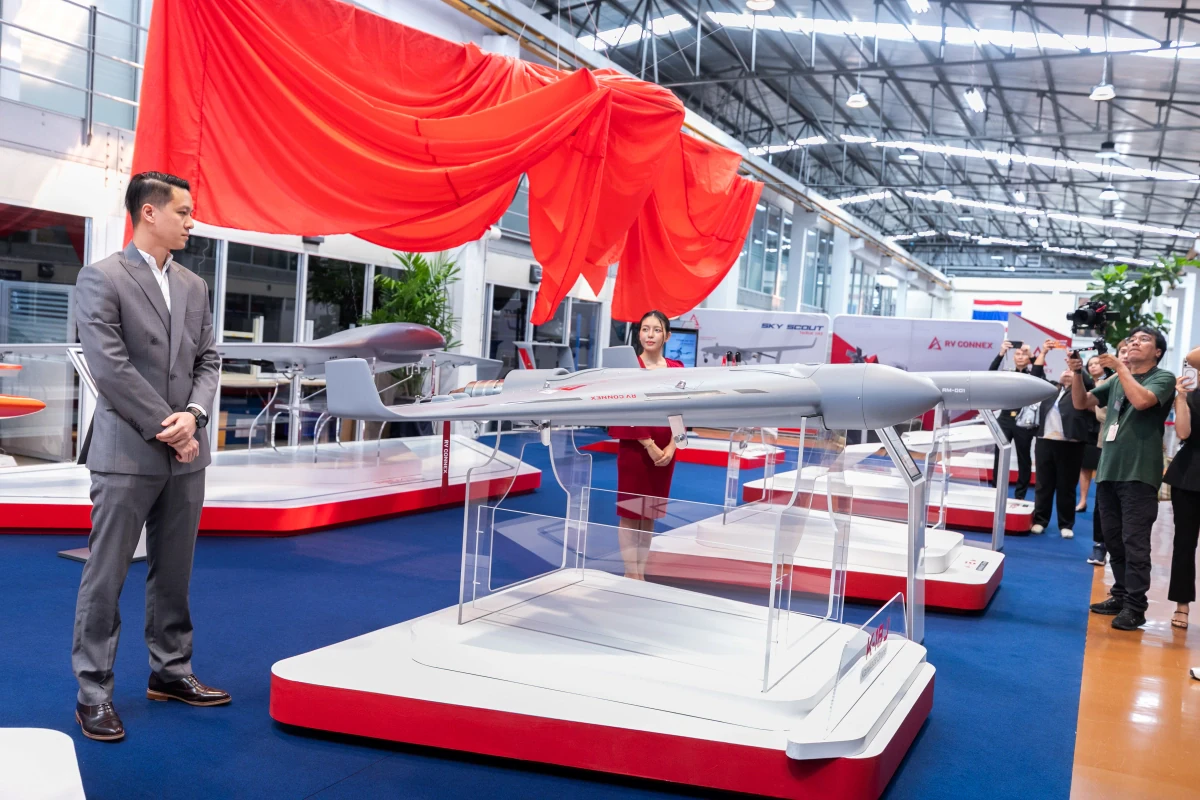
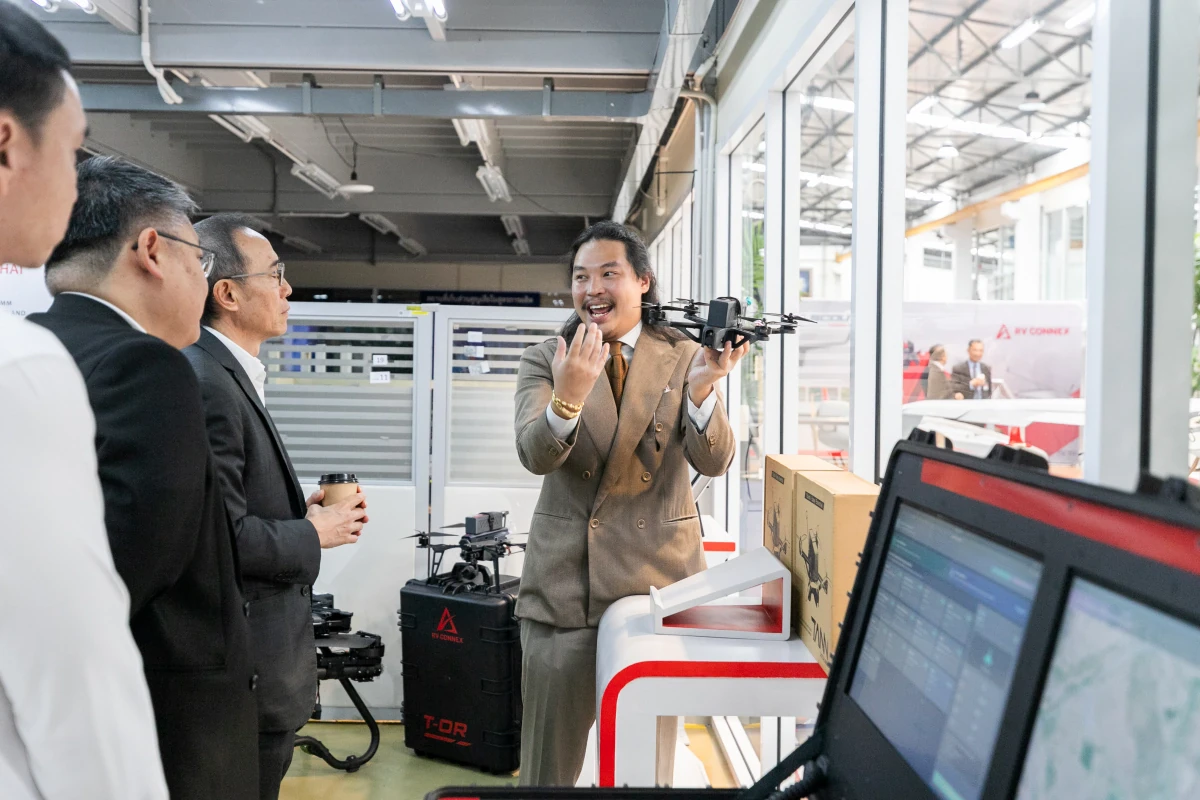
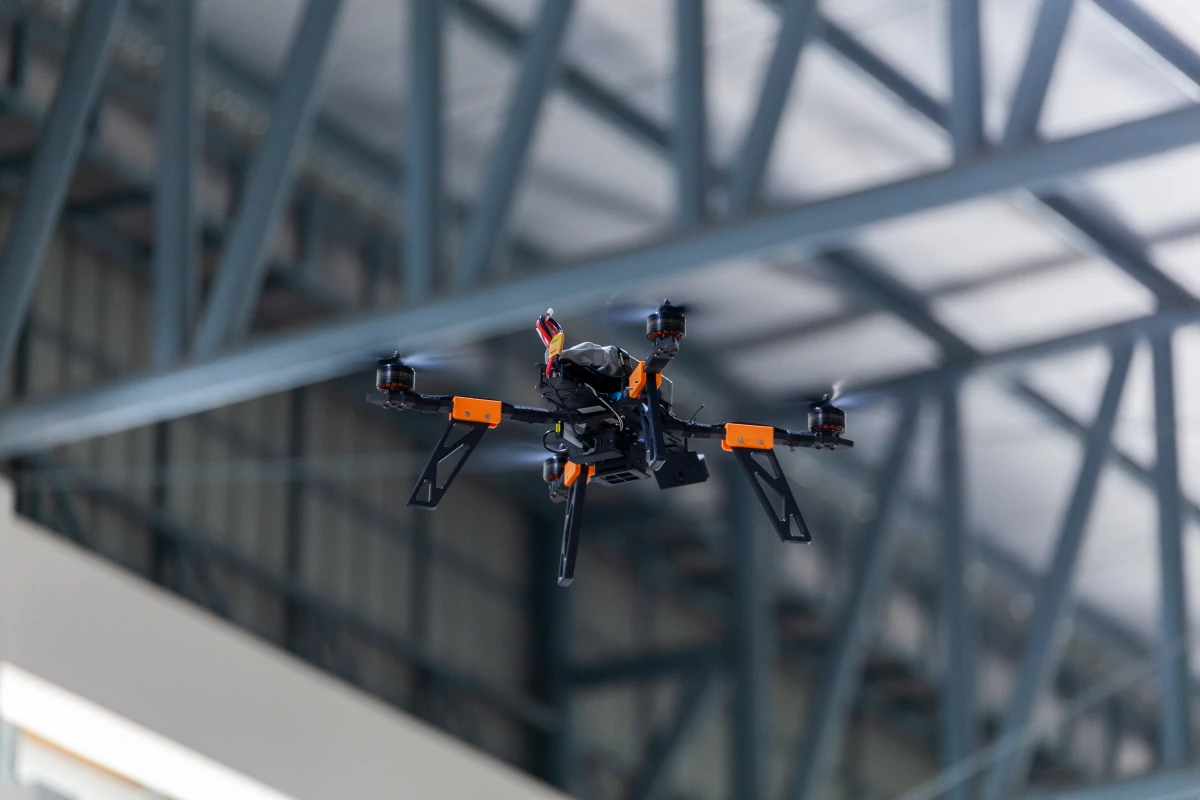
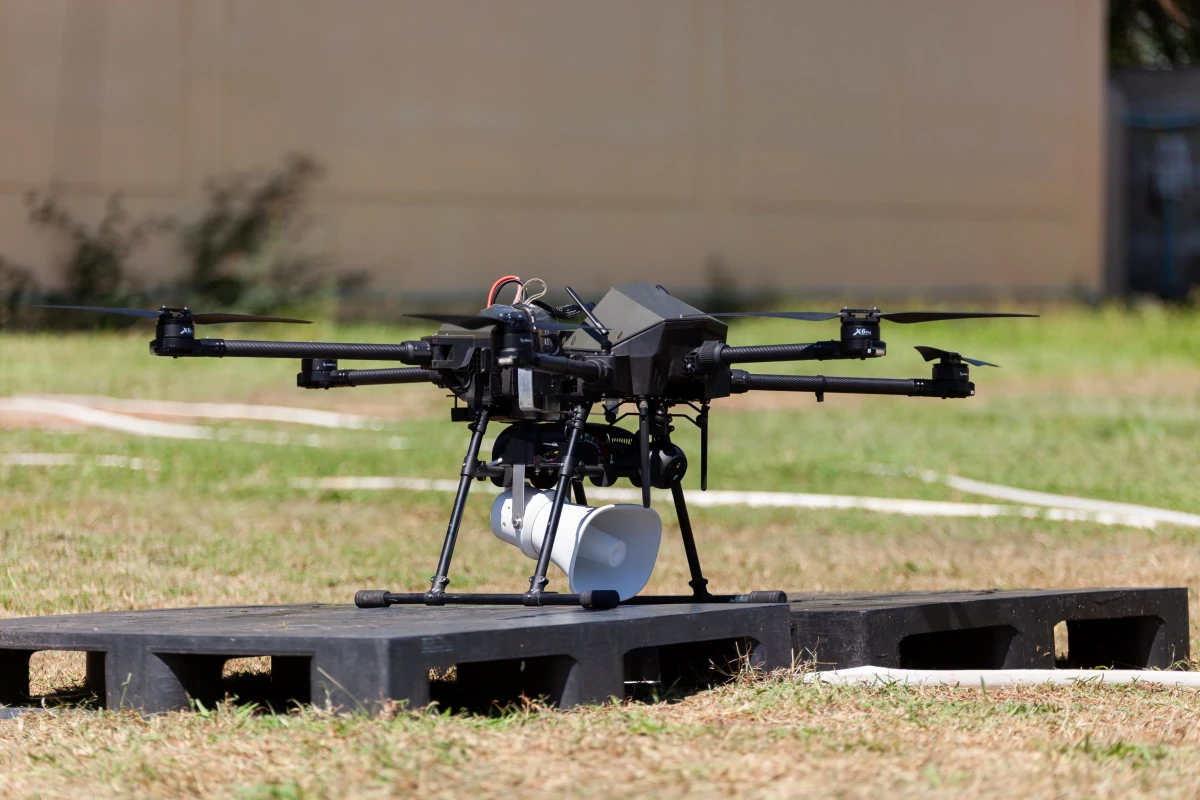
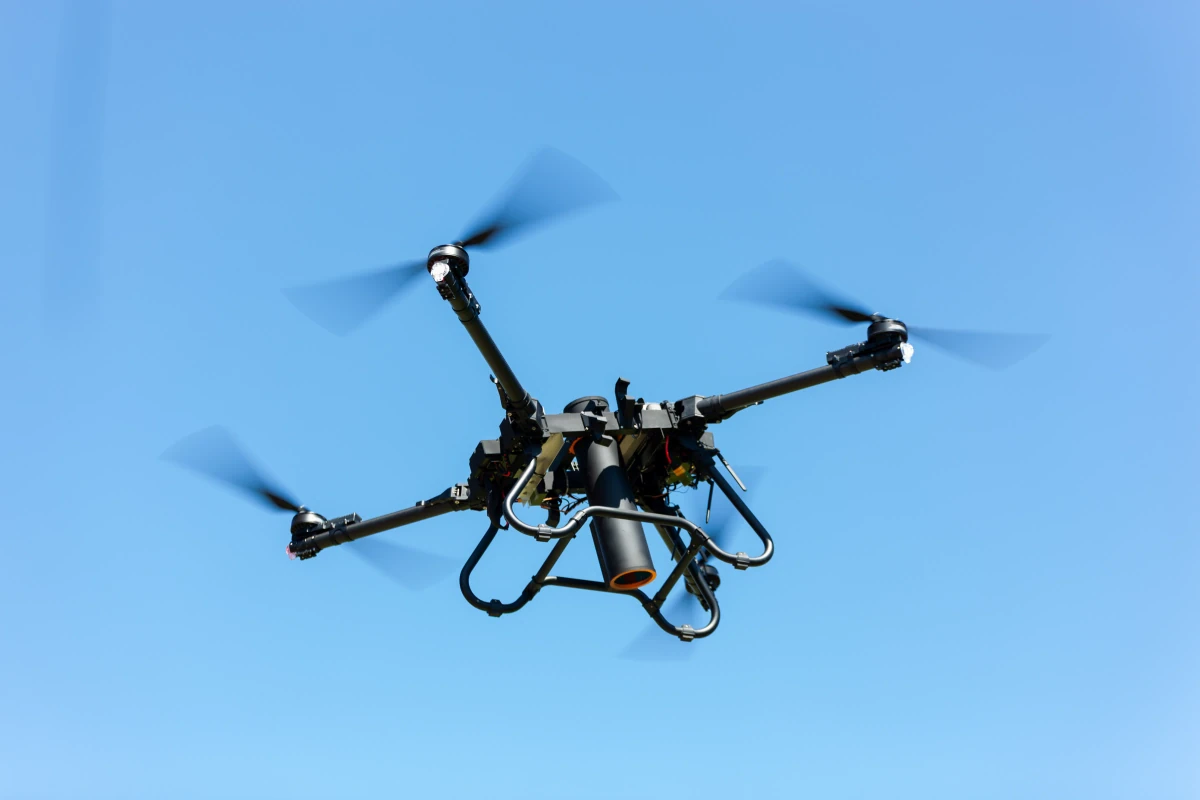
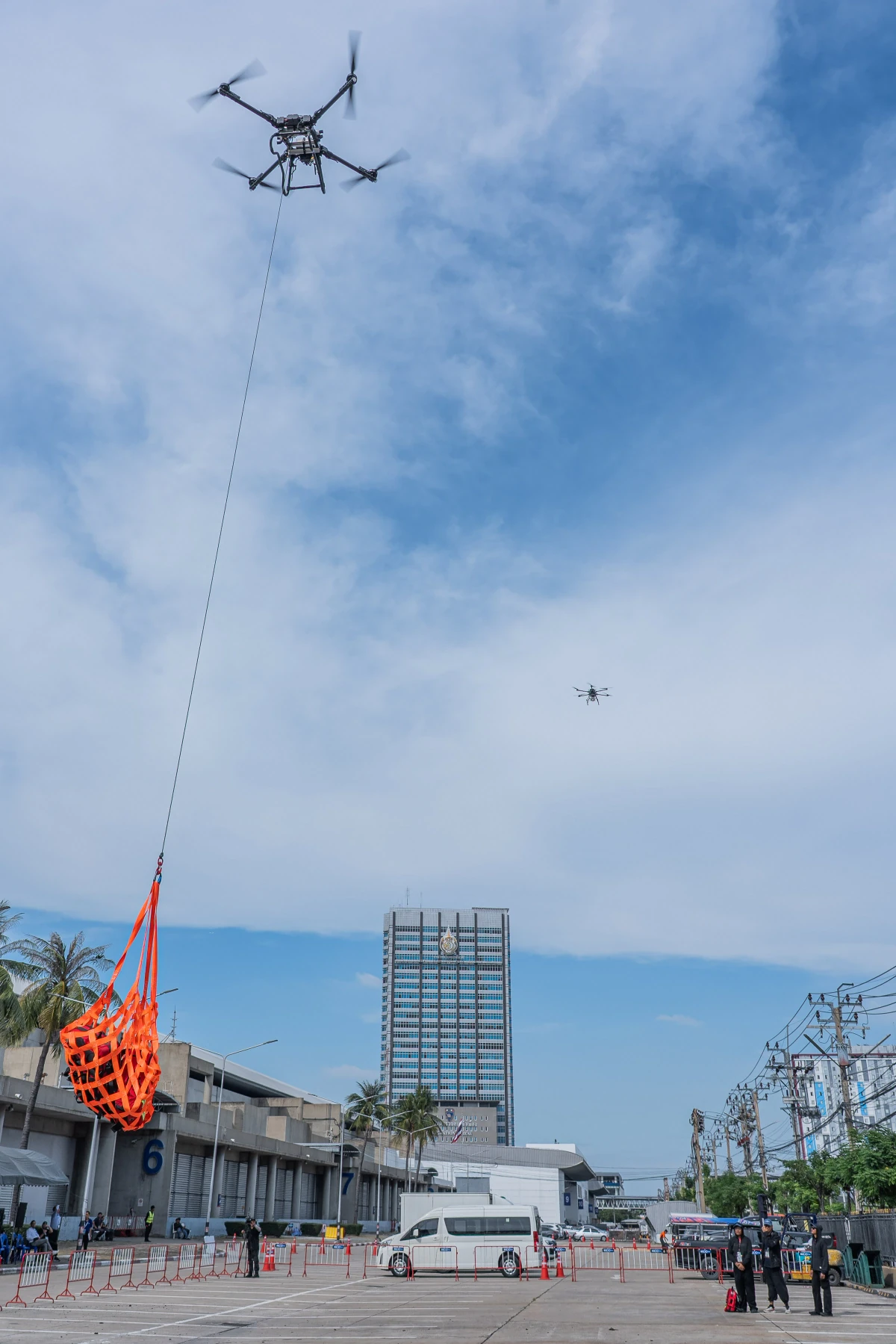
Two aircraft were flown, designed to complement rather than duplicate each other. The TITUM M2-100 serves as the eyes of the mission: a carbon-fibre hexacopter carrying a 10 kg payload, with up to 40 minutes’ endurance and a 5 km operating radius, fitted with sensors for surveillance and target location. The TITUM M2-200 provides the field muscle: a heavy-lift quadcopter with a 30 kg payload and a 10 km operating radius, configurable for payloads of 60–100 kg depending on build.
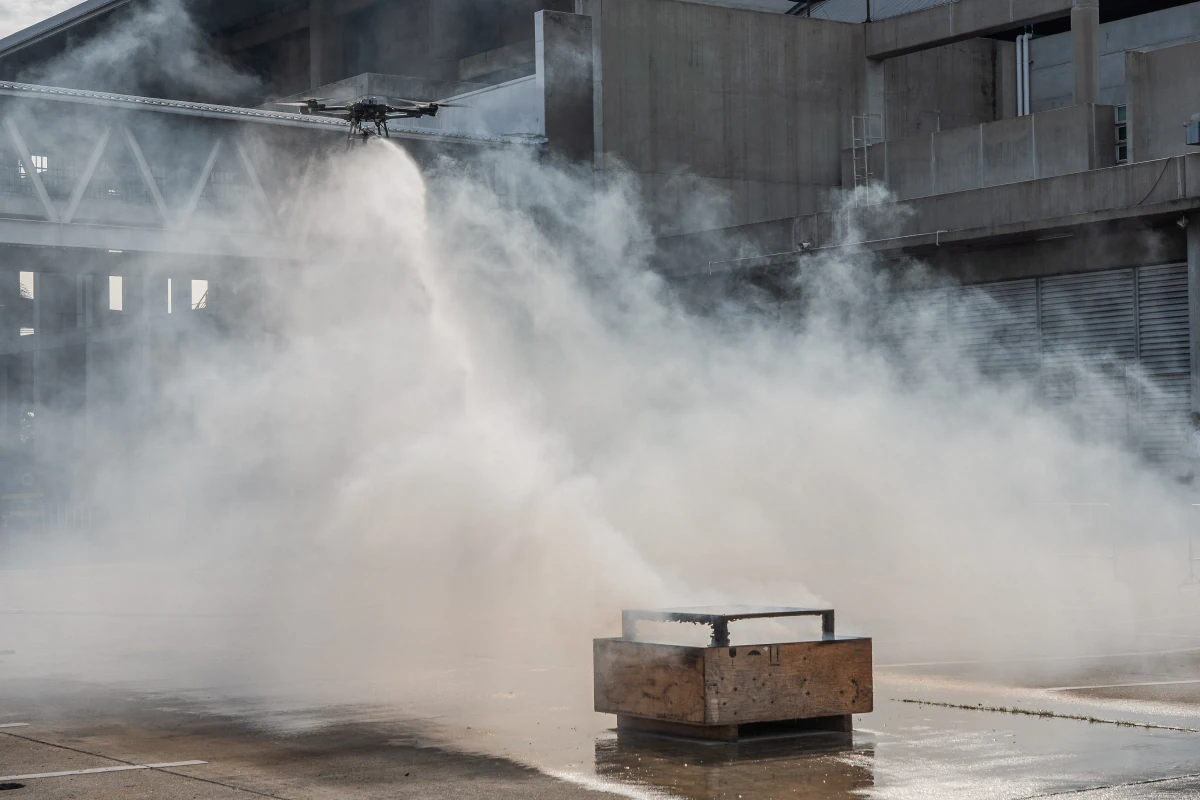
In the first scenario, CCTV detected movement inside a factory at night. The IOC raised the alert and proposed launching the M2-100; a single confirmation sent it to the target area, where thermal imaging and AI target tracking located and followed the intruder, with an audible warning available on command. On detecting the fire, the system passed coordinates to the M2-200, which delivered extinguishing balls — a waterless suppressant suited to server rooms and electrical cabinets. Wide-area imagery and the intruder’s position went simultaneously to the tablets of ground officers moving in.
In the second, with roads severed and a community encircled by floodwater, operators drew a search box on the IOC map. The M2-100 flew the pattern autonomously, using thermal imaging to find survivors and logging each position as it transmitted imagery back. The M2-200 carried medicine, first-aid kits, dry rations and drinking water along routes the IOC planned, returning to base automatically. The entire kit fits in a single pickup truck, so it deploys wherever it is needed without an airfield.
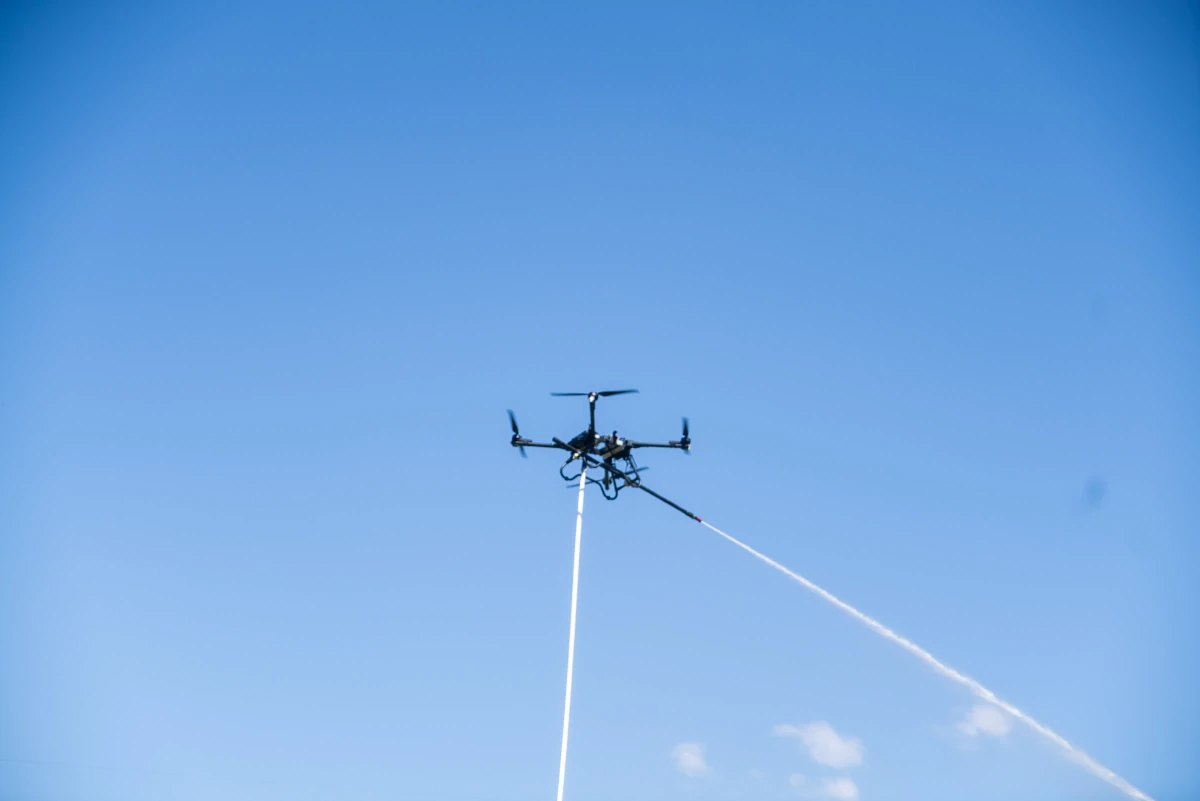
In the third, on steep terrain thick with smoke where fire appliances cannot reach, the M2-100 searched for hotspots concealed under leaf litter and debris and passed coordinates to ground crews, while the M2-200 lifted a portable pump and hose line to the scene — removing the burden of hauling heavy equipment uphill. Once connected to a water source, suppression could begin immediately. After the fire was brought under control, the M2-100 flew the area again to confirm no hotspots remained and reduce the risk of reignition.
All three missions ran on the same aircraft and the same IOC, controlled from the same screen. What changed was the payload and the command profile — which is the argument RV Connex came to make. Under a Multi-purpose, Multi-solution approach, an agency does not need to procure a dedicated airframe for every scenario it might face. The relevance extends across disaster prevention and mitigation agencies, local administrations, civil defence volunteers, fire services, the national parks and forestry departments, police units, industrial estates, airports, ports and utility operators.
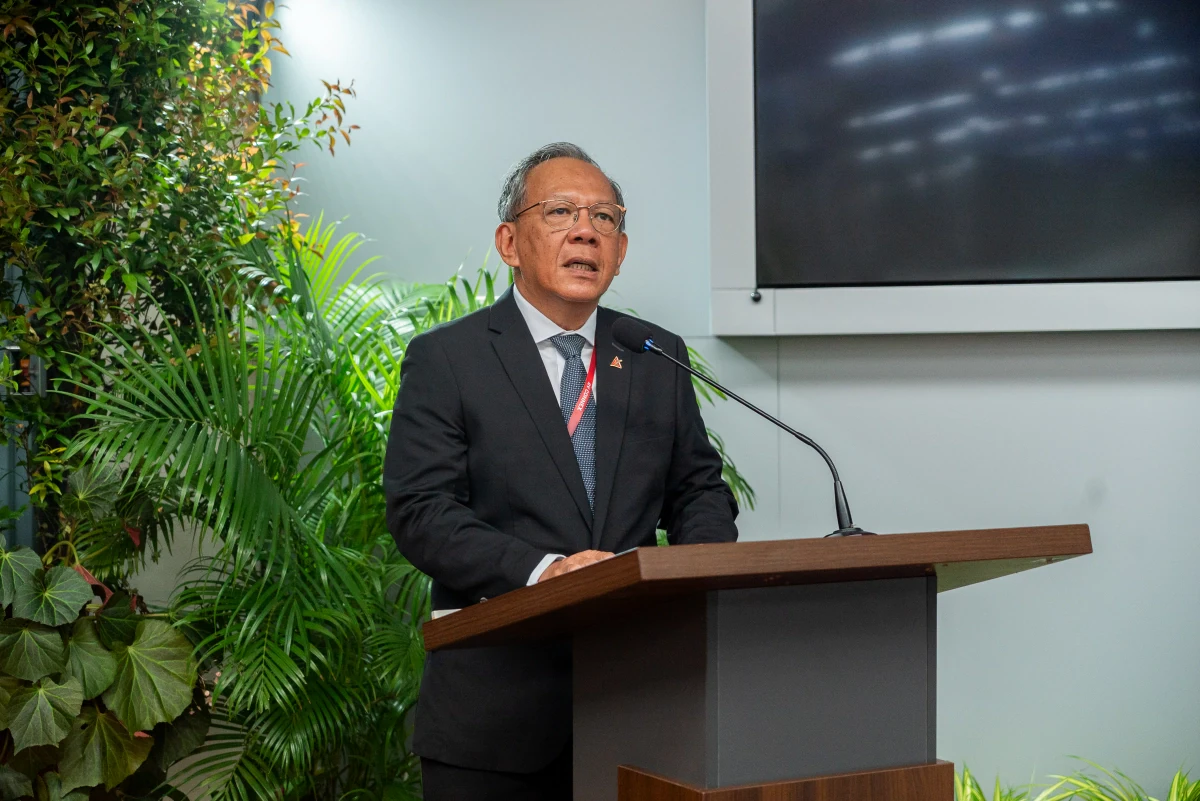
“We are not putting drones in place of people. We are using drones to buy people time,” said Group Captain Kanputt Mungklasiri, Vice Executive Chairman of R V Connex Co., Ltd. “The first few minutes of an incident decide everything that follows.”
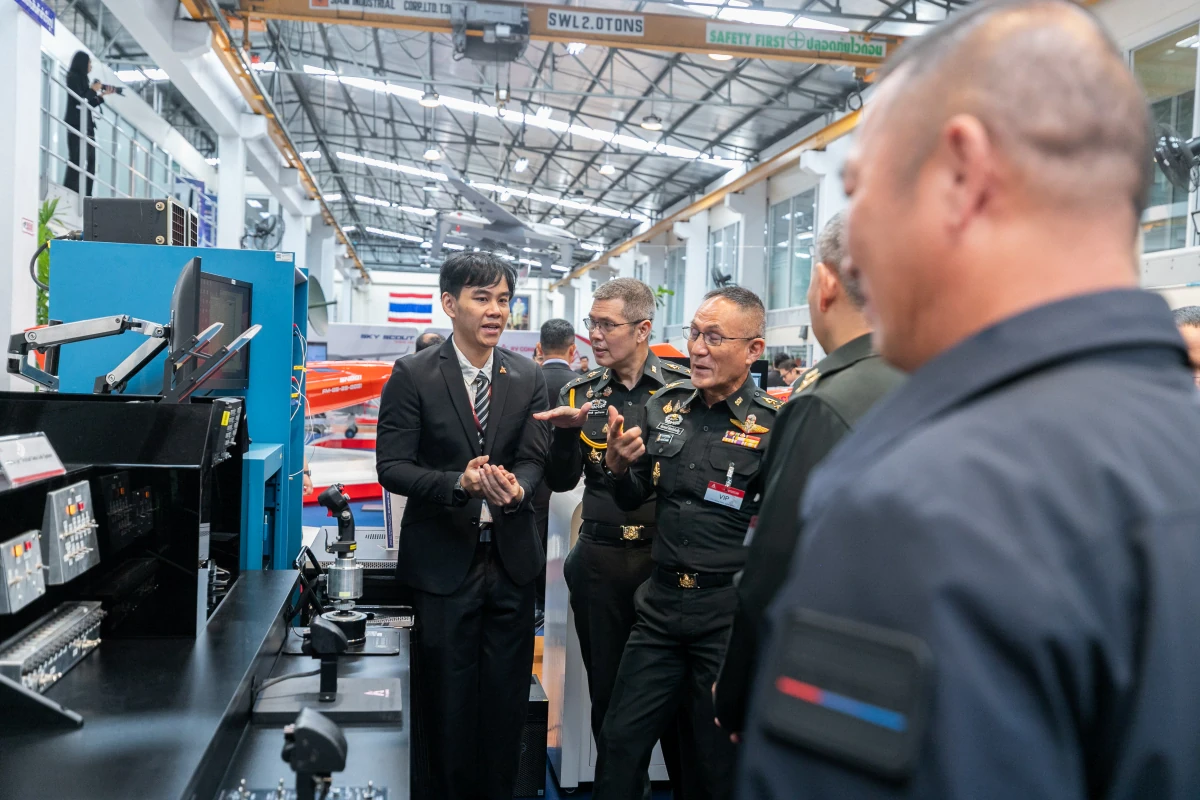
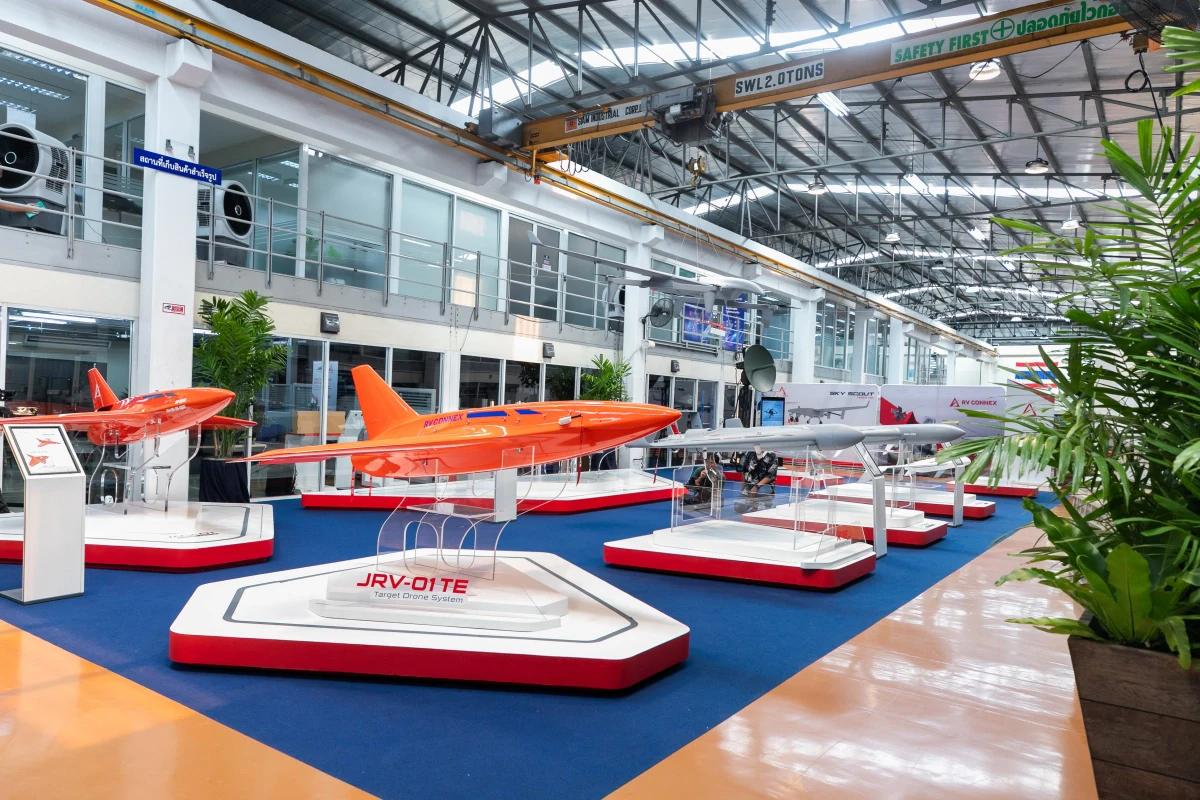
Every element demonstrated — the airframes, the flight control system, the IOC and the data links between them — was designed and built by RV Connex’s Thai engineering team. That ownership is what allows the system to be modified, extended or integrated with an agency’s existing infrastructure on request, without waiting on foreign technology or spare parts at every step.
“Disaster does not wait for anyone. That is what technological sovereignty actually means,” he added, thanking depa for the opportunity to show that Thailand’s technology industry has capability ready for operational use today.
Gallery