From Memorandum to Field Trial: RV Connex Demonstrates Unmanned Aircraft Missions for Disaster Response at the Chulalongkorn University Social Engagement Centre, Saraburi
13 November 2026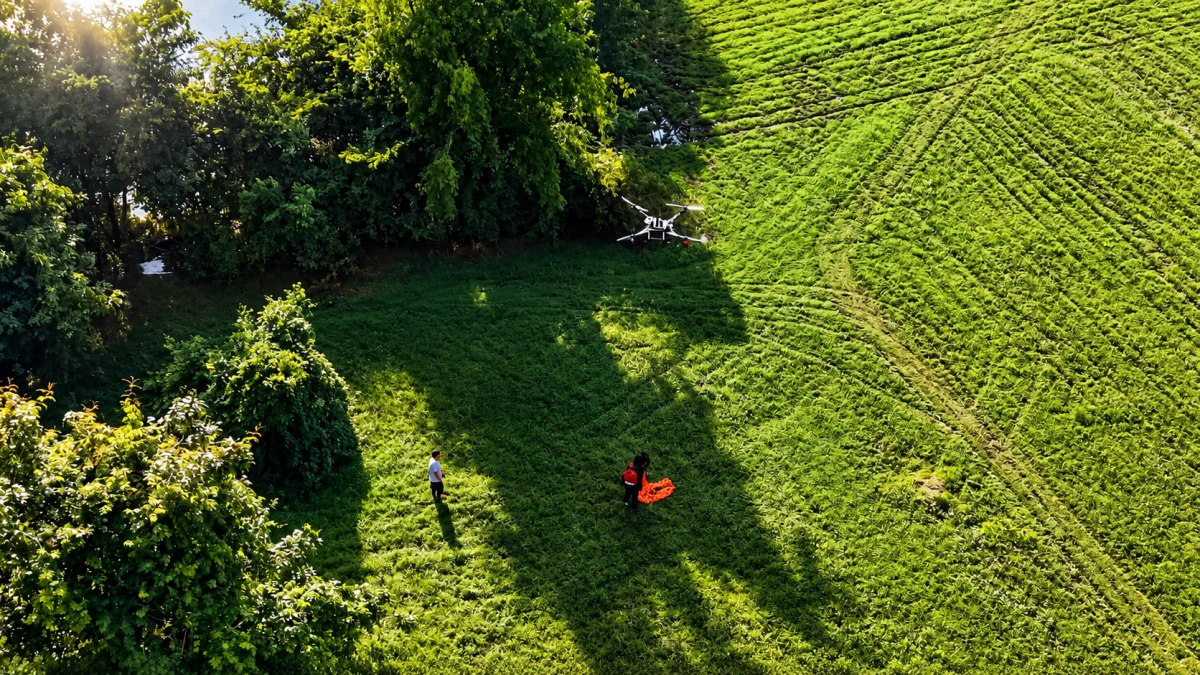
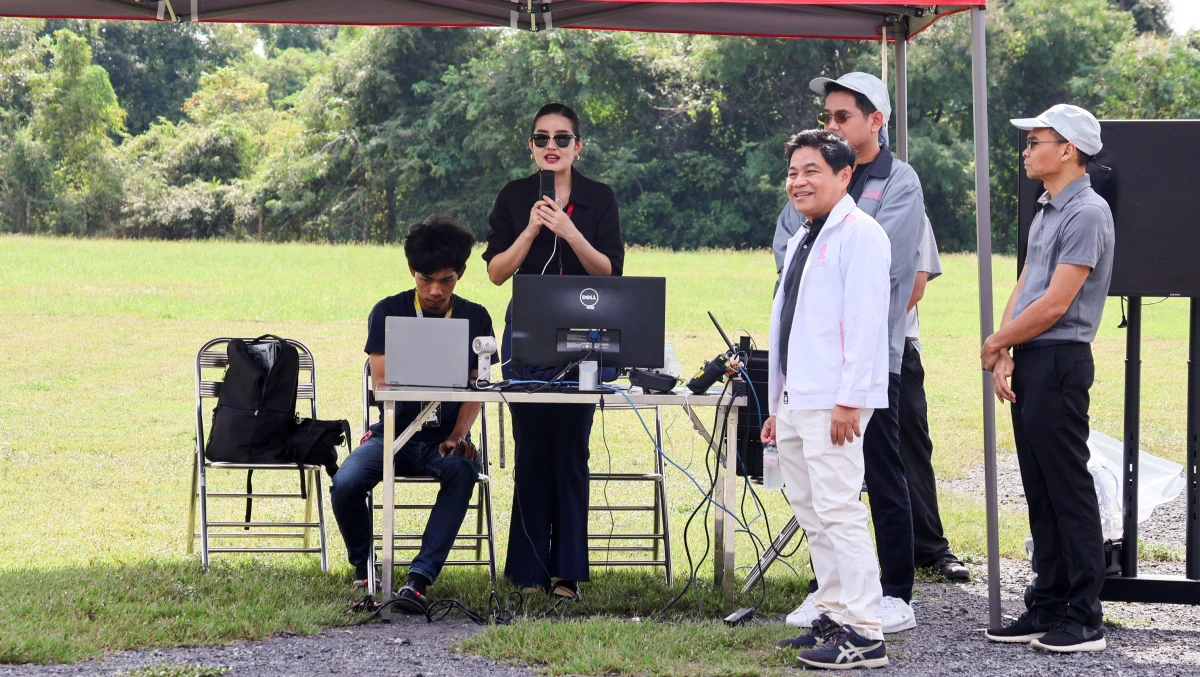
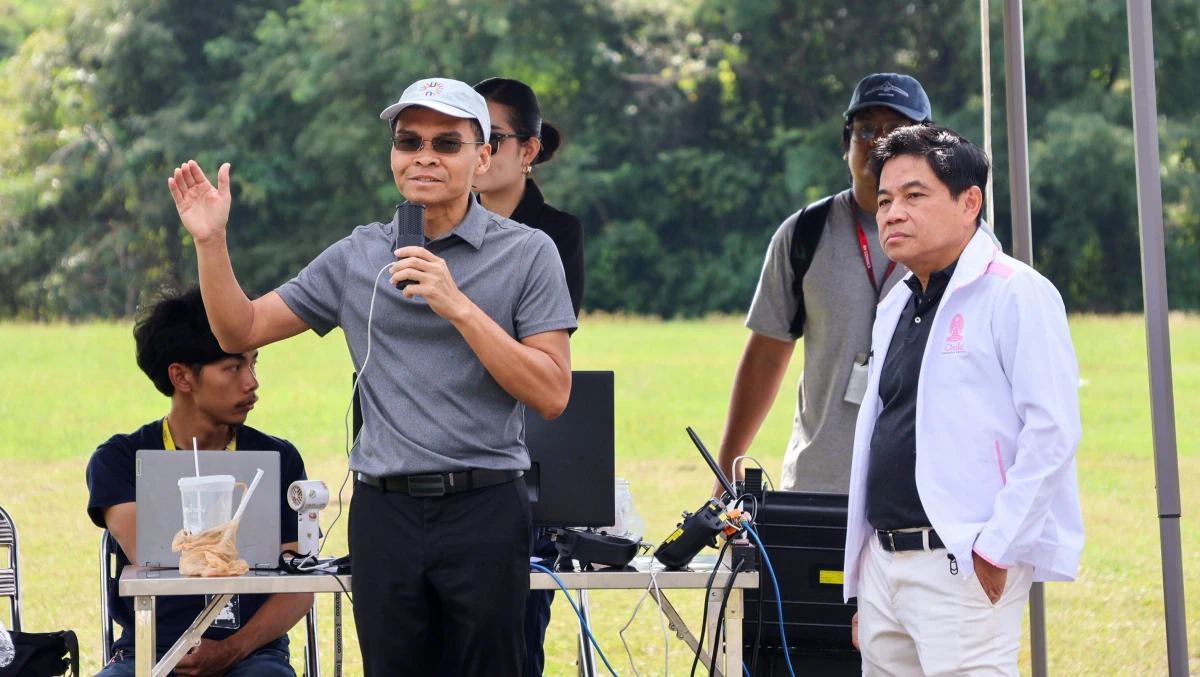
RV Connex Co., Ltd. conducted a demonstration of unmanned aircraft missions for disaster relief under real operating conditions at the Chulalongkorn University Social Engagement Centre, Saraburi Province, on 13 November 2026, as part of the 9th RUN Summit, the annual academic conference of the Research University Network (RUN), held under the theme “The Power of RUN: Leading Collaborative Innovation for Sustainable Growth.” The demonstration was observed by Professor Rungsun Rerknimitr, M.D., Vice President of Chulalongkorn University, together with members of the University’s executive team, researchers and representatives from universities across the Research University Network.
The demonstration was held under the Memorandum of Understanding (MoU) between Chulalongkorn University and the Company, which covers research and development, prototype development and testing in real-world environments, with the aim of connecting the University’s academic knowledge and research capabilities with operational requirements drawn from industry. All unmanned aircraft used in the demonstration, together with their control and mission systems, were designed, developed and manufactured by RV Connex, and all flight operations were conducted by the Company’s own pilots and operations team.
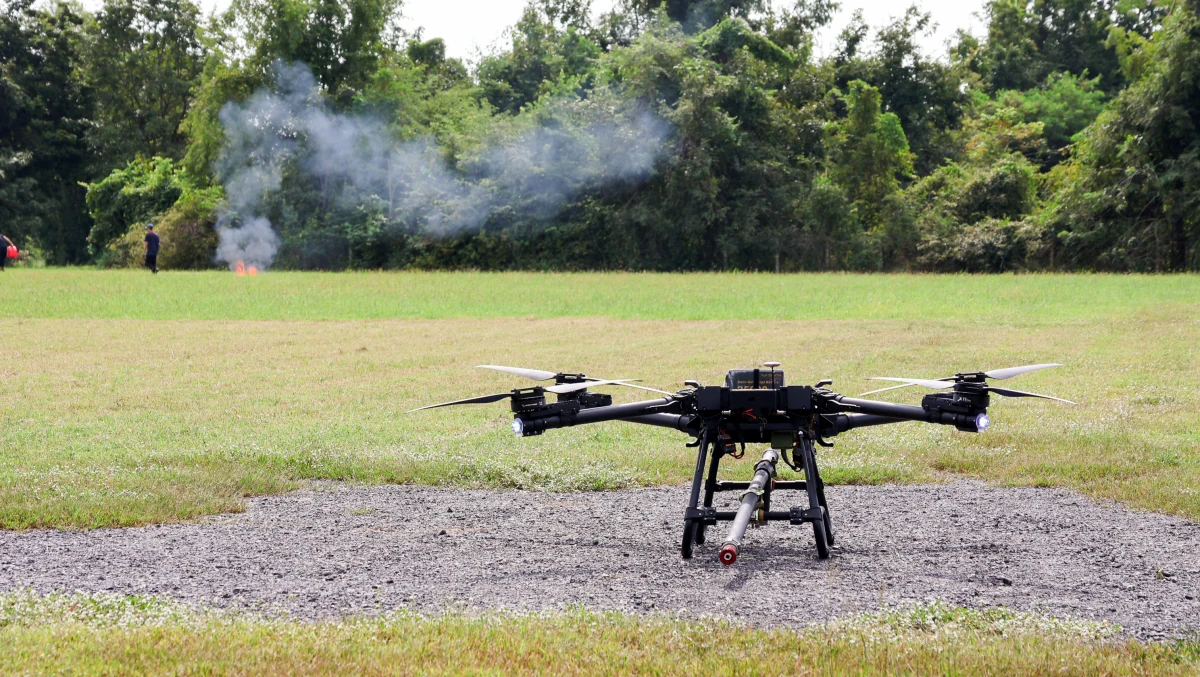
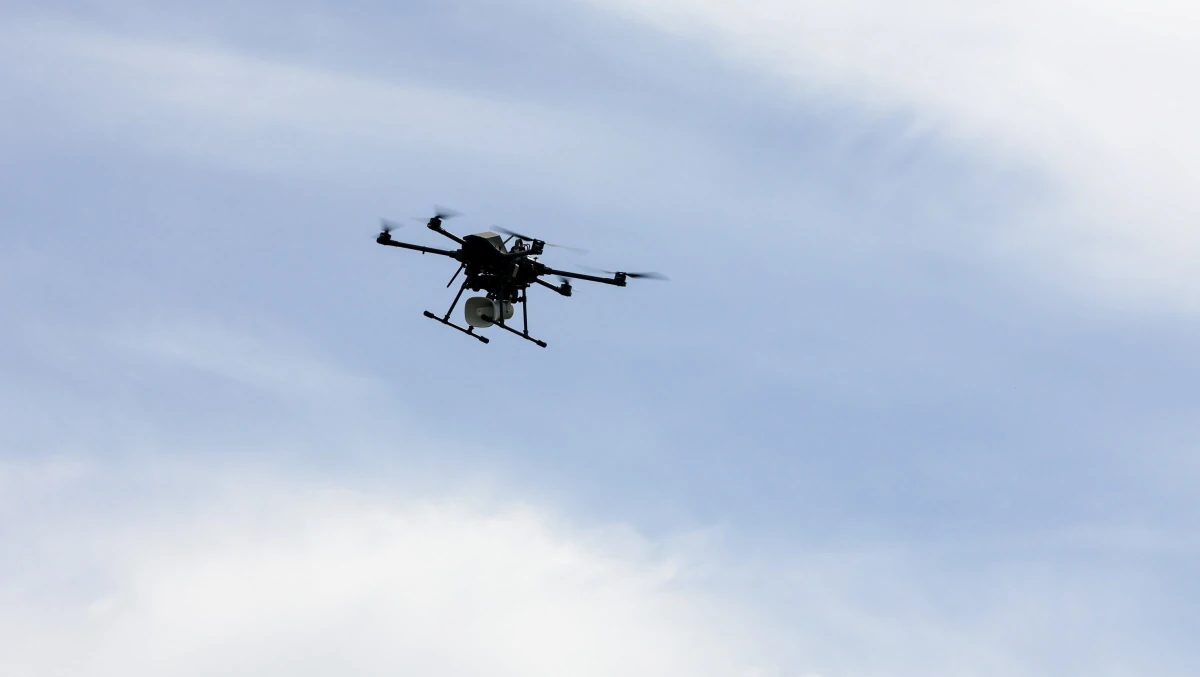
The Company carried out two consecutive missions under a simulated disaster scenario. The first was a search mission for a casualty in forested terrain, using a TITUM M2-100 unmanned aircraft equipped with an EO/IR camera and a loudspeaker for communicating with the person in distress. The aircraft surveyed the area at an altitude of approximately 60 metres to locate and establish the casualty’s position, then guided the rescue team to the scene.
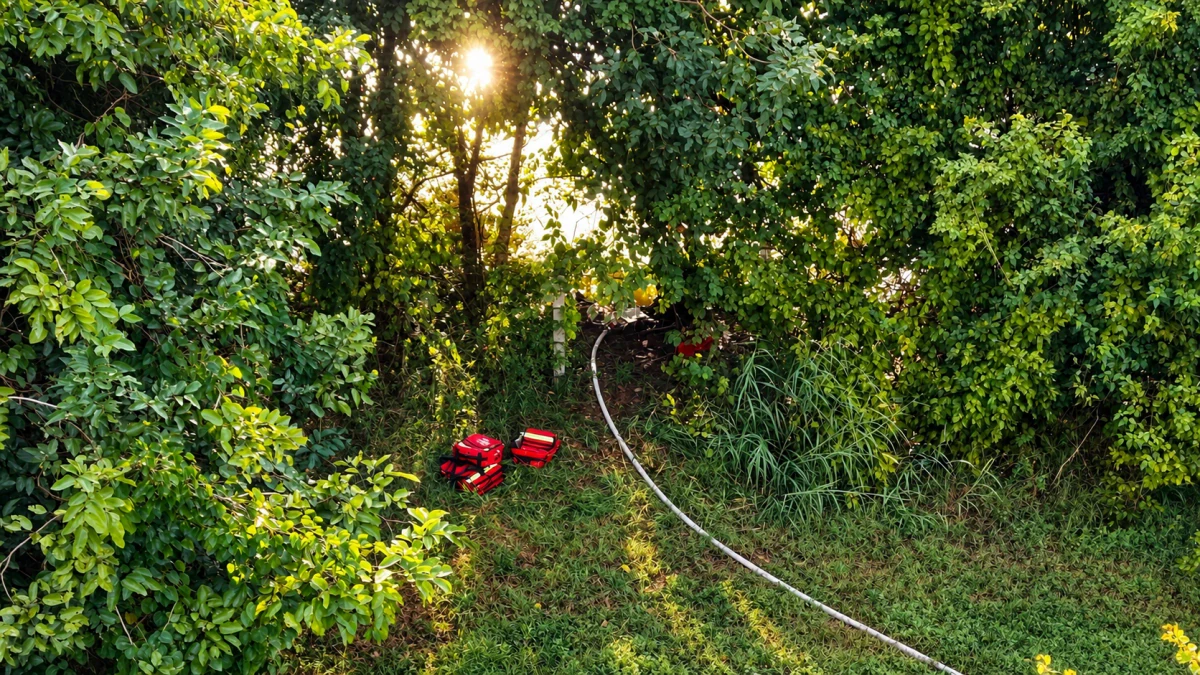
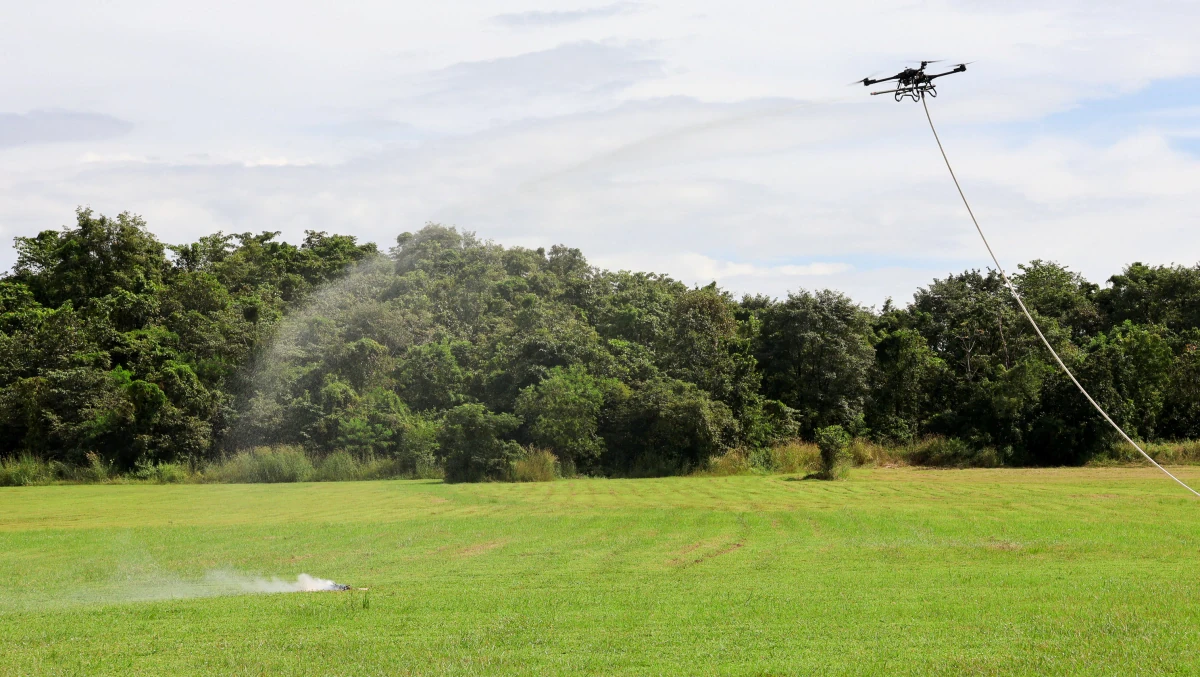
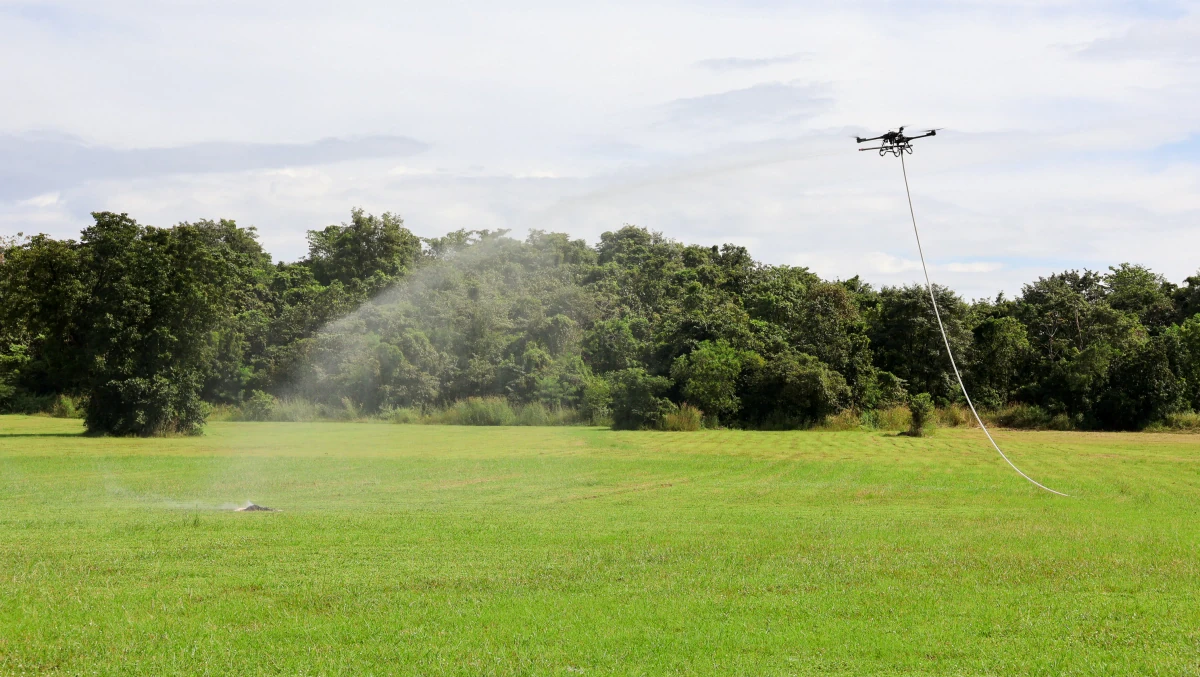
When a wildfire was detected in the same area, a TITUM M2-200 unmanned aircraft carried out an aerial logistics mission, delivering firefighting equipment directly to the site. Ground personnel then connected the hose line to the pump and drew water from a nearby lake to bring the fire under control.
Both missions illustrate a central challenge in responding to emergencies in areas that are difficult to reach, whether a wildfire burning far from any access road or a casualty in terrain that conventional vehicles cannot enter. Unmanned aircraft do more than survey a scene and relay imagery from above; they can also deliver essential equipment directly into the area, helping to shorten the time required to reach the scene and supporting the work of response personnel. The Company applied these same unmanned aircraft capabilities in support of flood relief operations in Pathum Thani Province in October, conducting aerial surveys to assess conditions, producing maps from aerial imagery, and delivering relief supplies to areas that vehicles could not reach.
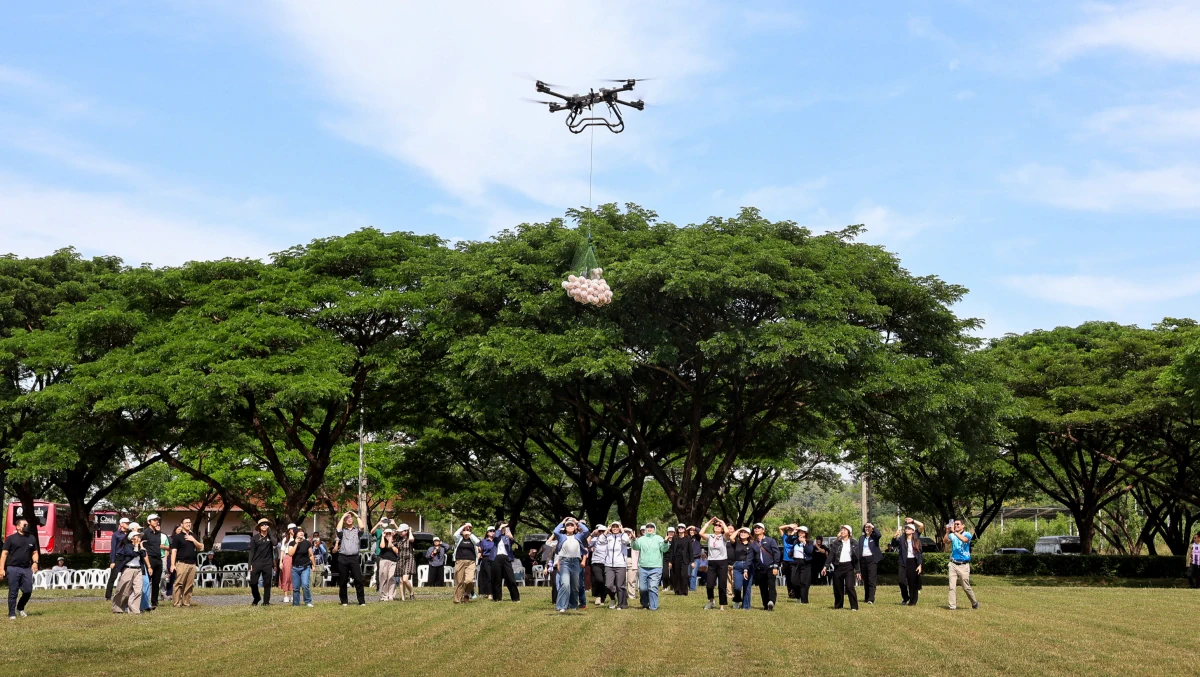
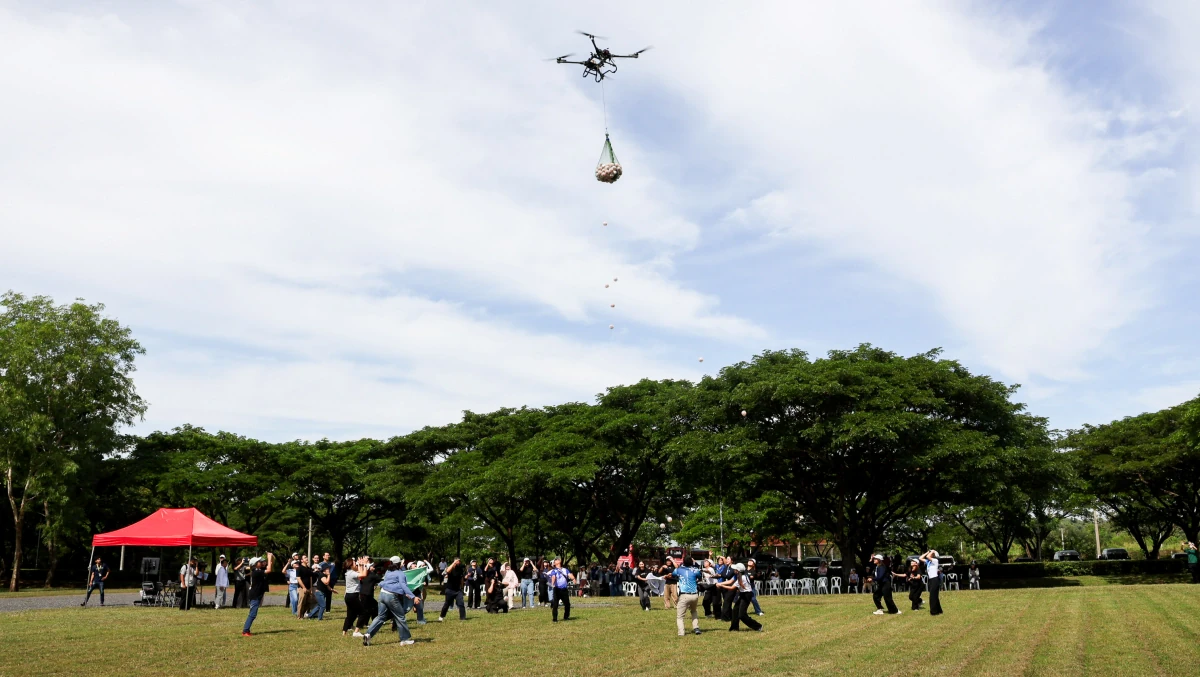
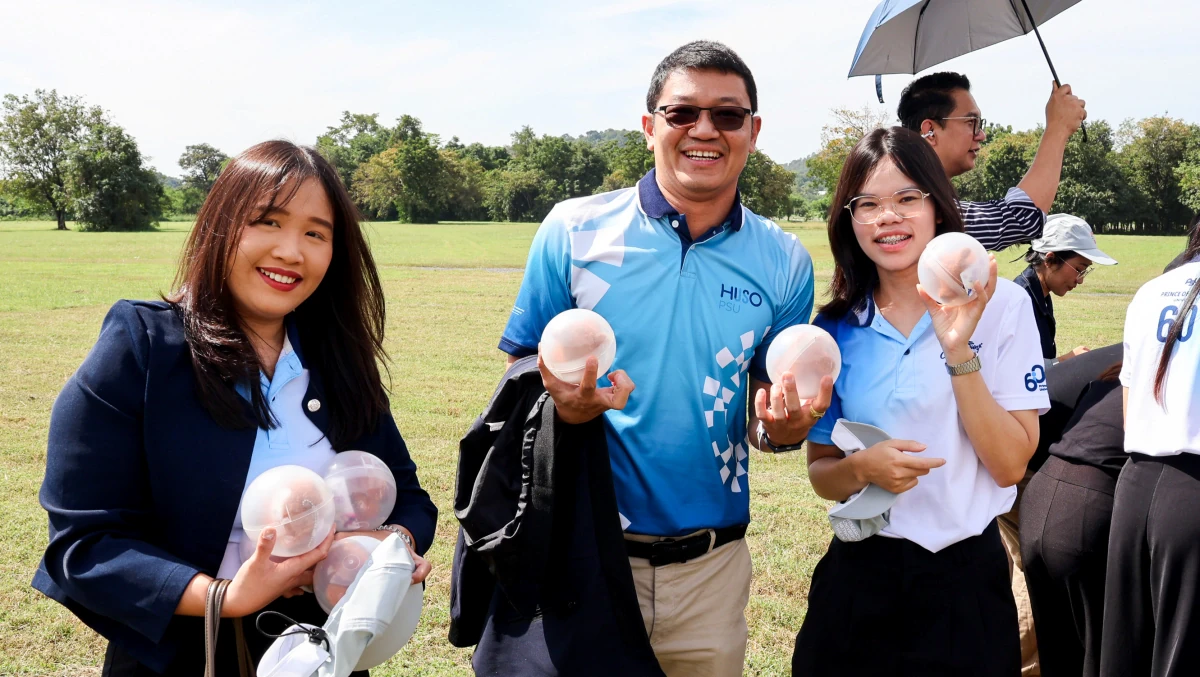
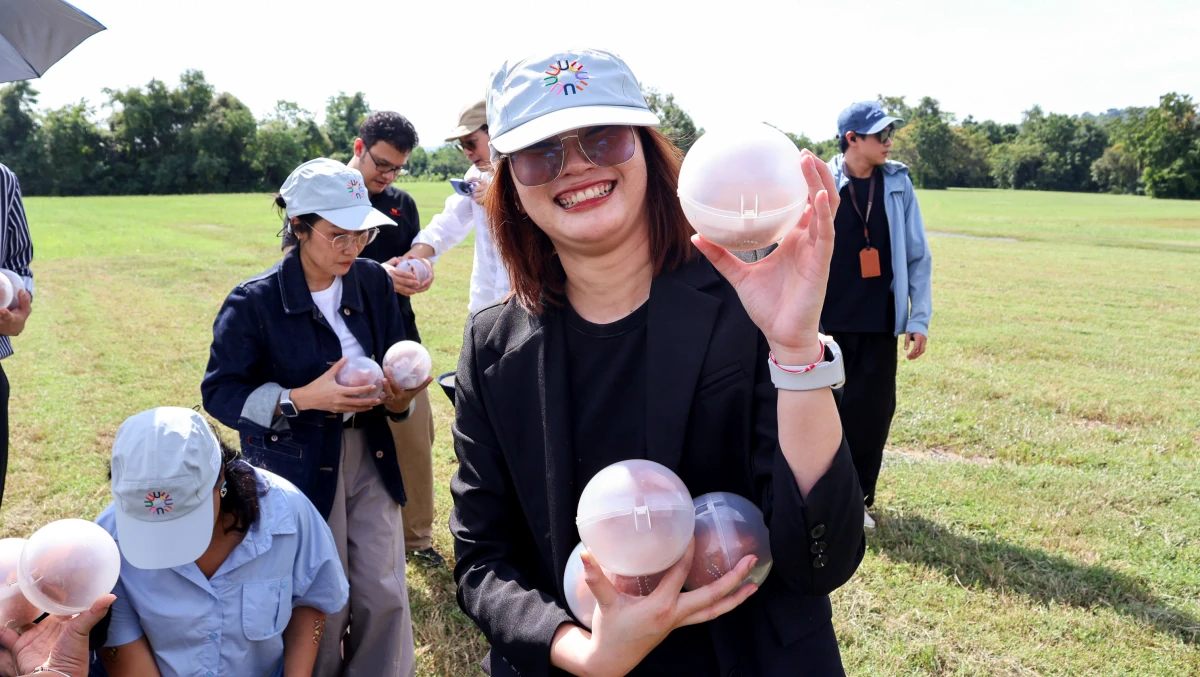
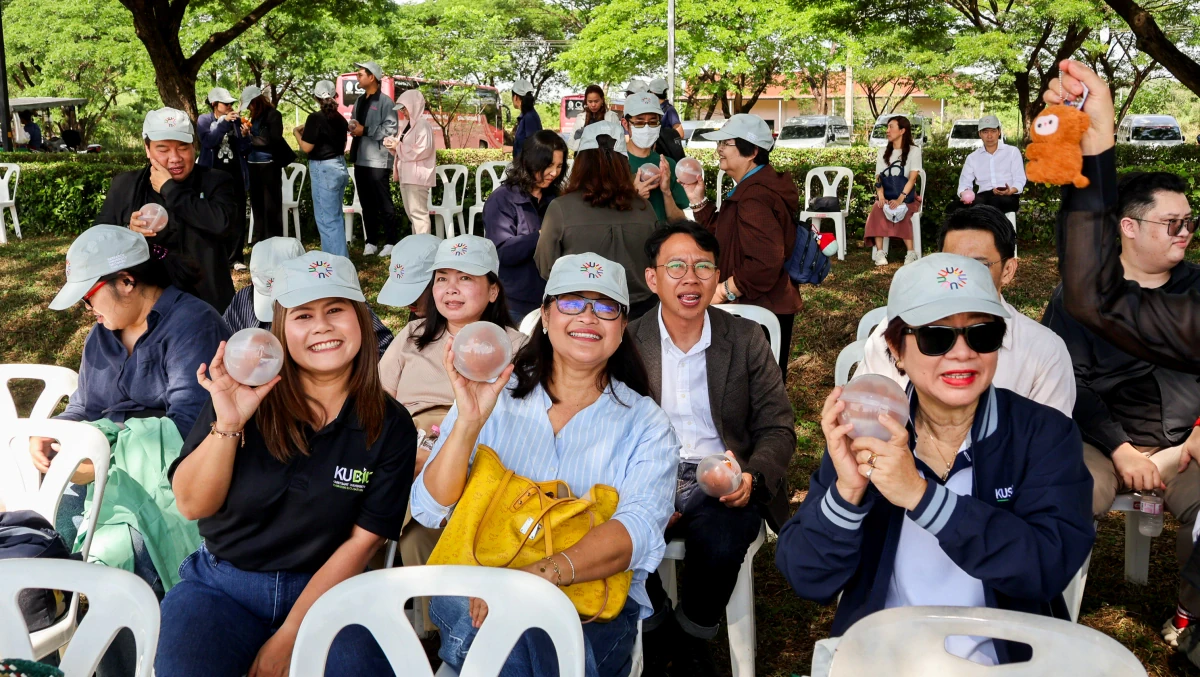
The demonstration concluded with a display of aerial delivery capability, in which one of the Company’s unmanned aircraft released 50 balls containing souvenirs for attendees, illustrating how unmanned aircraft systems can be applied to the aerial transport of goods.
The research collaboration between the Company and Chulalongkorn University will continue at this site, encompassing joint research and development, system testing in real-world environments, and plans for the establishment of a UAS Research, Development and Test Center to support unmanned aircraft systems research and testing at the national level.
RV Connex extends its thanks to Chulalongkorn University, the Research University Network (RUN) and all those who attended. Technology developed for security missions rests on engineering foundations that can be extended to applications in other sectors, including disaster relief, agriculture, energy and academic research. Joint testing and the exchange of knowledge in real operating environments is therefore an important mechanism for connecting research with practical use, and for driving technology towards application that delivers tangible results.
Gallery