Security Is No Longer Bought. It Is Built.— RV Connex President at TNN Tech Forum 2026
28 October 2026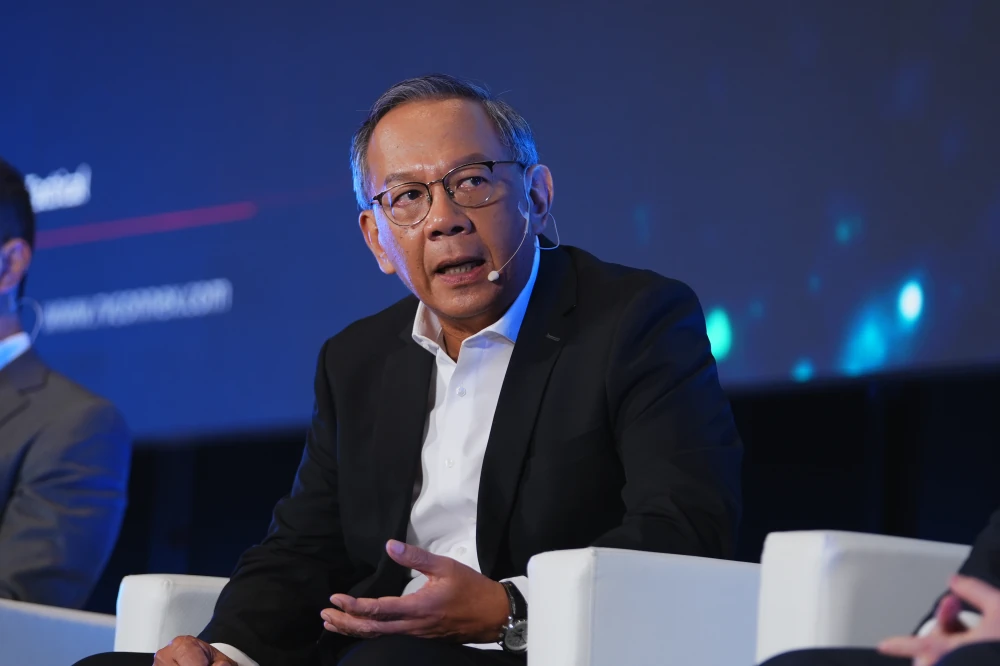
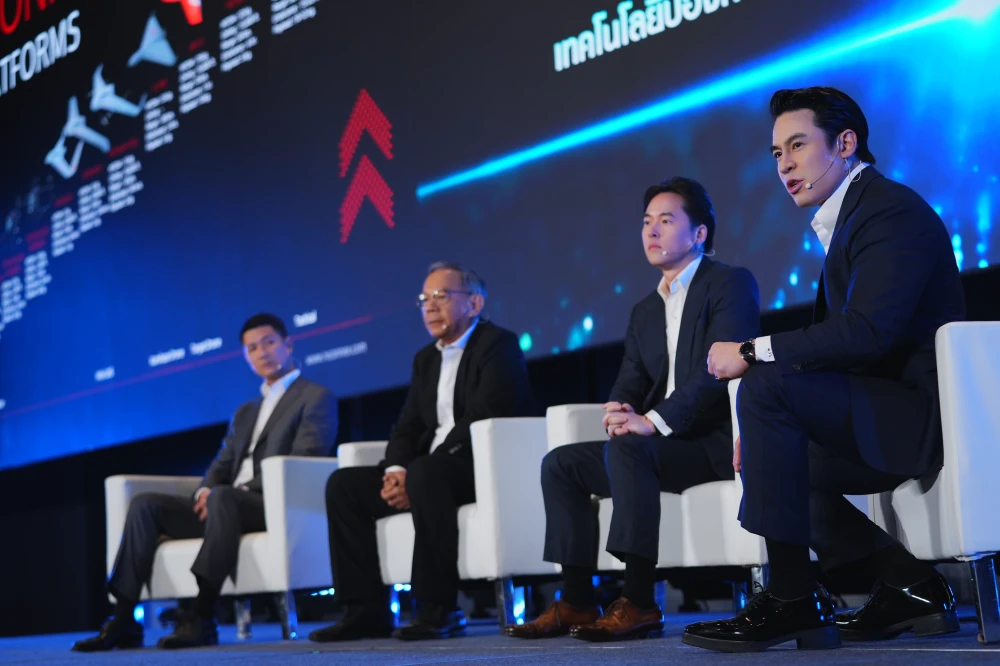
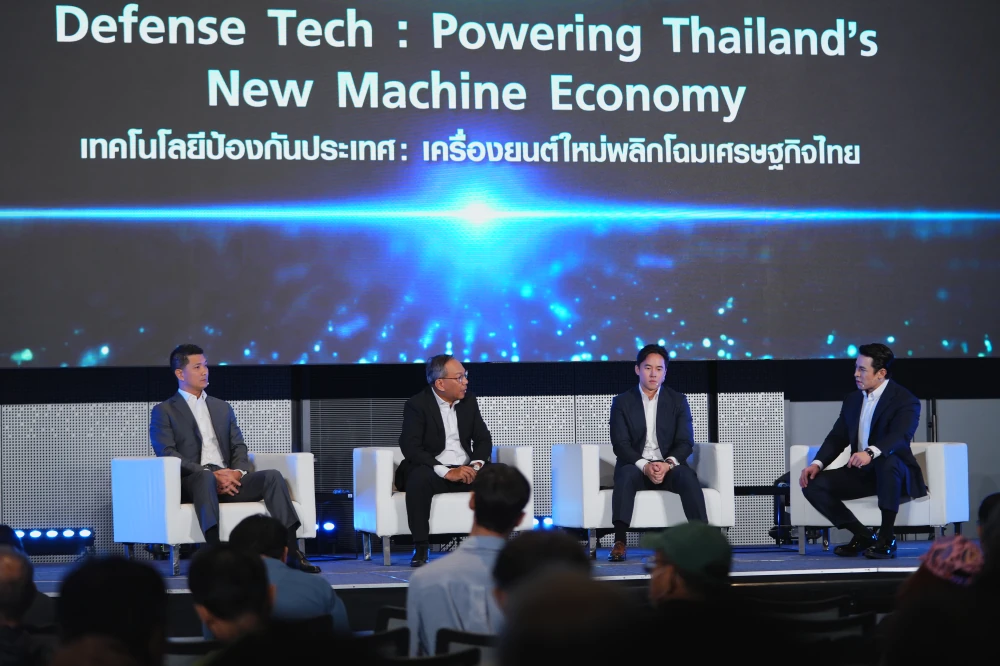
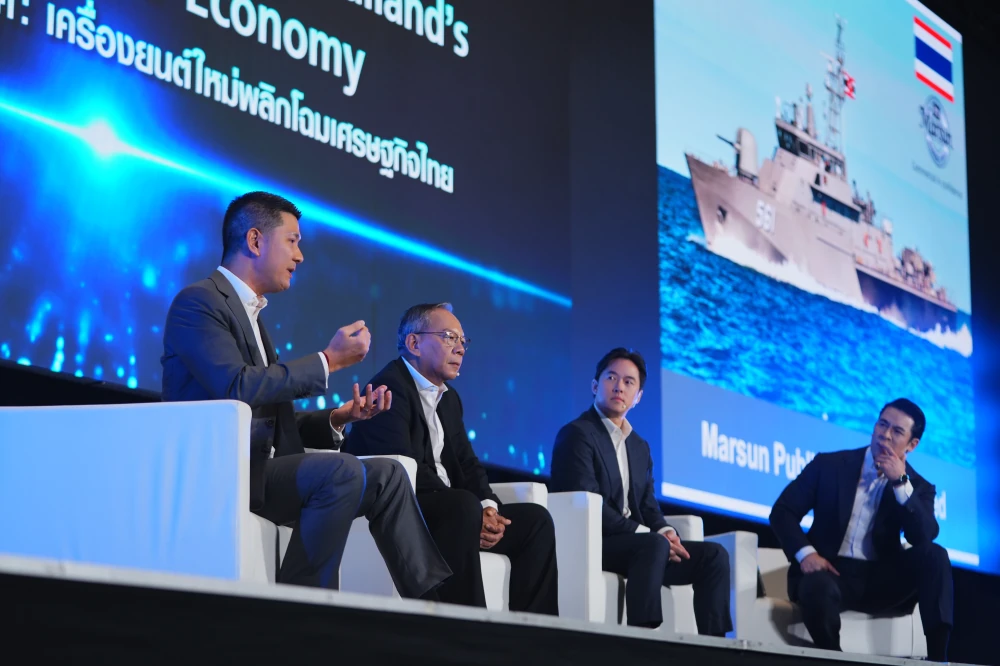
In the Russia–Ukraine war, drone technology on both sides is revised every ten days in the contest for battlefield advantage. That figure was the starting point for Assoc. Prof. Dr Sujate Jantarang, President of R V Connex Co., Ltd., in explaining why the definition of security has already changed — speaking on the panel “Defense Tech: Powering Thailand’s New Machine Economy” at TNN Tech Forum 2026: AI Warfare – The Race for Humanity, held on Wednesday 28 October 2026 at the Grand Hall, 3rd floor, True Digital Park West.
When the development cycle compresses to ten days, a procurement process measured in years cannot keep pace. The most advanced system on the day a contract is signed may not answer the problem on the day it is delivered. The constraint is therefore not budget, nor the quality of what is acquired, but how quickly a country can modify and advance its own systems when conditions shift.
“If we are only a buyer, we will always be a step behind, because by the time the equipment arrives the problem has moved on. Security is not measured by what sits in the armoury. It is measured by how deeply we understand it, and how fast we can change it,” Dr Sujate said.
Artificial intelligence compresses that cycle further still — but holding the tool is not the same as holding the advantage, he argued, because every competitor has access to the same technology. What separates the winner from the loser is not possession of AI but the judgement applied to it, and the ability to turn an idea into a working system. The bottleneck shifts from knowing what to build to being able to build it in time, and a country that can design but cannot manufacture at speed remains dependent all the same.
“AI hands no one an automatic victory. Everyone reaches for the same tools. What decides it is who uses them intelligently, and who turns an idea into something real faster. On the battlefield, those who cannot keep up with the technology and cannot build fast enough do not simply fall behind. They do not survive.”
What he calls technological sovereignty is not an ambition to build everything domestically. It is the capacity to control the system, understand its internals, maintain it, and develop it further under one’s own power. That capability cannot be purchased. It accumulates only through designing, manufacturing, testing and correcting — again and again — and it is the only thing that allows a country to keep pace with change rather than wait for products developed elsewhere.
Dr Sujate also pressed the case for the state to play a role beyond that of purchaser, pointing to the defence attachés of several countries who actively promote equipment built at home.
“Thai manufacturers have proven they can build and compete. What is missing is a door only the government can open — because international confidence does not come from product quality alone. It comes from a state willing to stand beside its own industry.”
The panel brought together executives from across Thailand’s defence sector, including Mr Krit Kulhirun, Assistant Senior Executive Vice President of Chaiseri Metal & Rubber Co., Ltd., and Mr Pattarawin Chongwisal, Chief Executive Officer of Marsun Public Company Limited, spanning capability from armoured vehicles and naval vessels to unmanned aircraft.
TNN Tech Forum 2026 was convened under the theme AI Warfare: The Race for Humanity and led by Prof. Dr Yodchanan Wongsawat, Deputy Prime Minister and Minister of Higher Education, Science, Research and Innovation, alongside leaders from the technology, finance and security sectors.
Gallery